Sports Betting Insights • NFL
How to Analyze NFL Draft Trades and Their Impact
March 8, 2026 · By Marcus Cole
Every year, the NFL Draft captures the attention of fans and analysts alike, with trades often acting as the most dynamic element of this event. Understanding how these trades are evaluated and their potential long-term impacts can provide bettors with a strategic edge. This guide will delve into the intricacies of NFL draft trades, offering insights into how they can influence betting decisions.
Draft Trade Snapshot
- Draft value charts are essential tools for evaluating trade fairness
- Team needs and player evaluations drive most trade decisions
- Historical analysis provides context and benchmarks for trade outcomes
- Case studies of major trades reveal winning and losing strategies
- Future implications of trades directly impact betting odds and lines
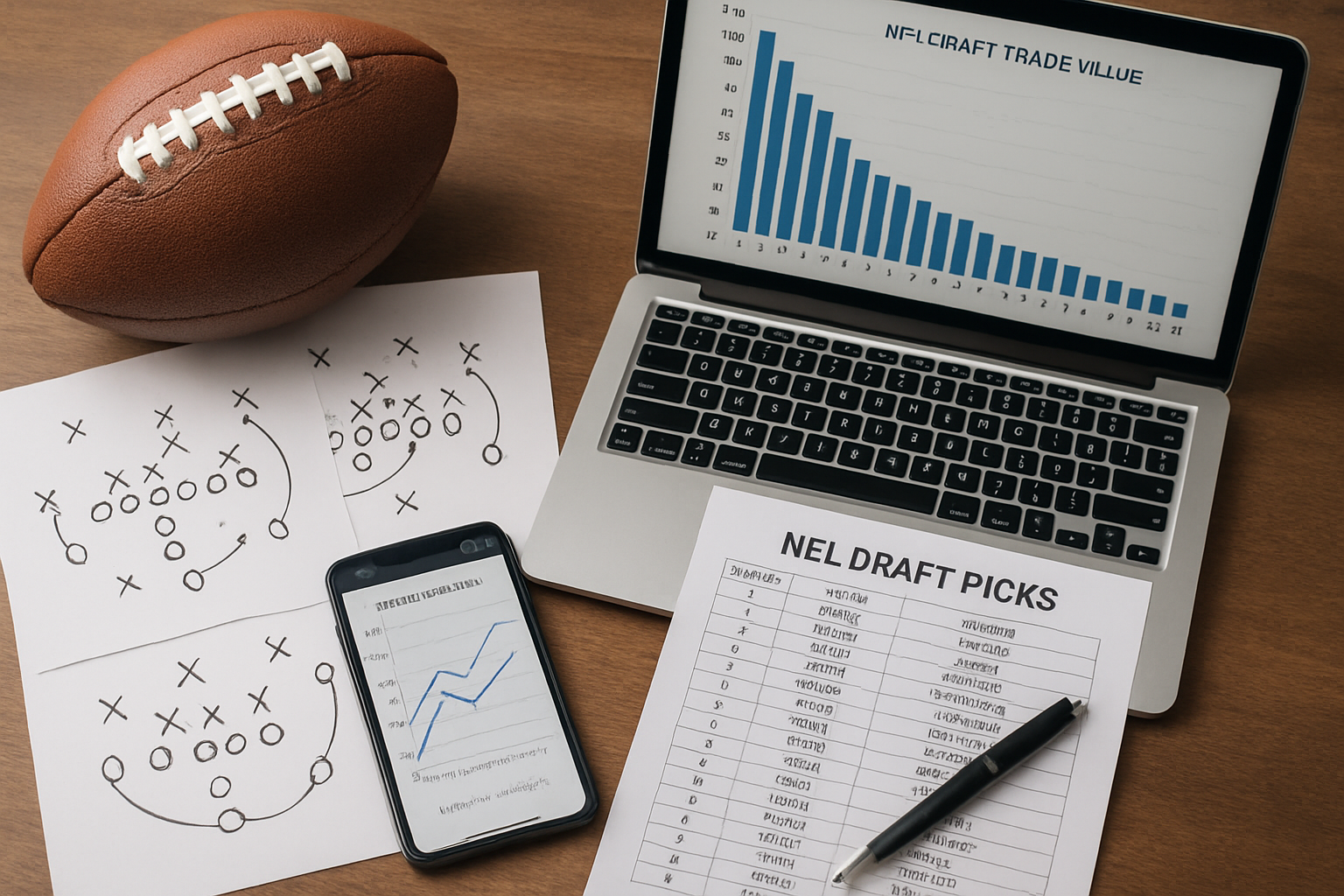
Understanding Draft Value
The concept of draft value is foundational when analyzing NFL draft trades. Each draft pick is assigned a value, often based on historical performance and projections of player potential. This value is critical when teams are negotiating trades.
Draft Value Charts
Draft value charts are tools used by teams to assign a numerical value to each pick. The most famous of these is the Jimmy Johnson chart, which was created in the 1990s. Although considered somewhat outdated, it still serves as a baseline. In contrast, modern charts like those developed by analytics firms incorporate more data, including player performance metrics and positional value.
Positional Value
Different positions carry different levels of importance, impacting draft value. For example, quarterbacks and edge rushers often command higher draft picks due to their critical roles. Understanding this can help bettors anticipate team strategies and the potential success of trades.
Key Factors in Trades
When analyzing trades, several key factors come into play, influencing both the decision-making process and the trade outcomes.
Team Needs
Trades are often driven by immediate team needs. A team in need of a quarterback may be willing to trade multiple picks to move up in the draft. Understanding a team’s roster and its deficiencies can provide insights into its trading behavior.
Player Evaluations
Scouting reports and player evaluations are crucial. Teams may trade up to secure a player they believe has high potential or fits their system perfectly. Conversely, teams may trade down if they believe they can still secure their desired player at a lower pick.
Future Considerations
Teams may trade current picks for future picks, betting on either the improvement of their own team or the decline of the trading partner. This strategic element can significantly impact future seasons and betting lines.
Historical Trade Analysis
Analyzing past trades provides valuable insights into what strategies have succeeded or failed, helping predict future trade outcomes.
Successful Trades
One of the most notable successful trades was the 2012 Washington Redskins trade to move up and select quarterback Robert Griffin III. Initially seen as a win, his career was marred by injuries, demonstrating the risk inherent in such aggressive moves.
Trade Busts
Conversely, the infamous trade by the New Orleans Saints in 1999 to acquire Ricky Williams by trading away their entire draft class is often cited as a cautionary tale. The move failed to yield long-term success and is used as a benchmark for overvaluing a single player.
Case Studies of Major Trades
Examining specific trades can reveal the strategic thinking behind them and their eventual impact on both the teams involved and the league as a whole.
The 2021 San Francisco 49ers Trade
The 49ers traded up to select quarterback Trey Lance, giving away several future first-round picks. This bold move underscored their commitment to securing a potential franchise player, impacting their future draft flexibility.
The 2020 Miami Dolphins Rebuild
The Dolphins executed a series of trades to accumulate draft capital, allowing them to rebuild their roster comprehensively. This strategy has seen them emerge as contenders, showcasing the potential success of a long-term approach.
Future Implications
Understanding the future implications of draft trades can enhance betting strategies, especially in future markets and long-term team performance bets.
Impact on Team Success
Trades can set the trajectory for a franchise’s success or failure. Teams that successfully leverage their draft capital can become perennial contenders, impacting future odds and betting lines.
Betting Strategies
Bettors can capitalize on trades by analyzing team strategies and potential improvements. For example, trading up for a quarterback can significantly alter a team’s future performance, offering opportunities in futures markets.
Conclusion
Analyzing NFL draft trades offers valuable insights into team strategies and their potential impact on both immediate and long-term success. By understanding the principles of draft value, key trade factors, and historical outcomes, bettors can better predict future performance and optimize their betting strategies. As the 2026 NFL season approaches, keeping an eye on draft trades and their implications will be crucial for anyone looking to gain an edge in sports betting.
FAQs
How do teams determine the value of draft picks?
Teams use draft value charts, historical performance data, and positional importance to assign value to picks.
What is the most important factor in draft trades?
While multiple factors are important, team needs and player evaluations typically drive the decision-making process.
Can draft trades impact betting odds?
Yes, trades can significantly impact team performance expectations and future betting lines.
Why do some teams trade future picks?
Teams may trade future picks to address immediate needs or to capitalize on perceived current draft value.
Do all trades yield positive outcomes for teams?
No, while some trades successfully enhance a team’s roster, others may not pan out as expected, due to factors like player performance and injuries.