The dust has settled on American Idol's 24th season, and prediction markets are claiming victory after accurately forecasting the show's outcome months before the finale aired. As entertainment betting continues to gain mainstream acceptance, the 2026 season provided a fascinating case study in how political prediction market technology translates to reality TV wagering.
American Idol 2026: Did the Prediction Markets Get it Right?
May 12, 2026 · By Marcus Cole
Table of Contents
- The Season That Proved Prediction Markets Work
- How the Markets Moved Throughout the Season
- The Data Behind the Prediction
- Where Traditional Sportsbooks Went Wrong
- The Technology Advantage
- Lessons for Future Entertainment Betting
- The Regulatory Landscape
- Impact on Traditional Sportsbooks
- Looking Ahead to 2027
- The Broader Entertainment Betting Revolution
- WagerIQ Checklist: Key Takeaways
- Frequently Asked Questions
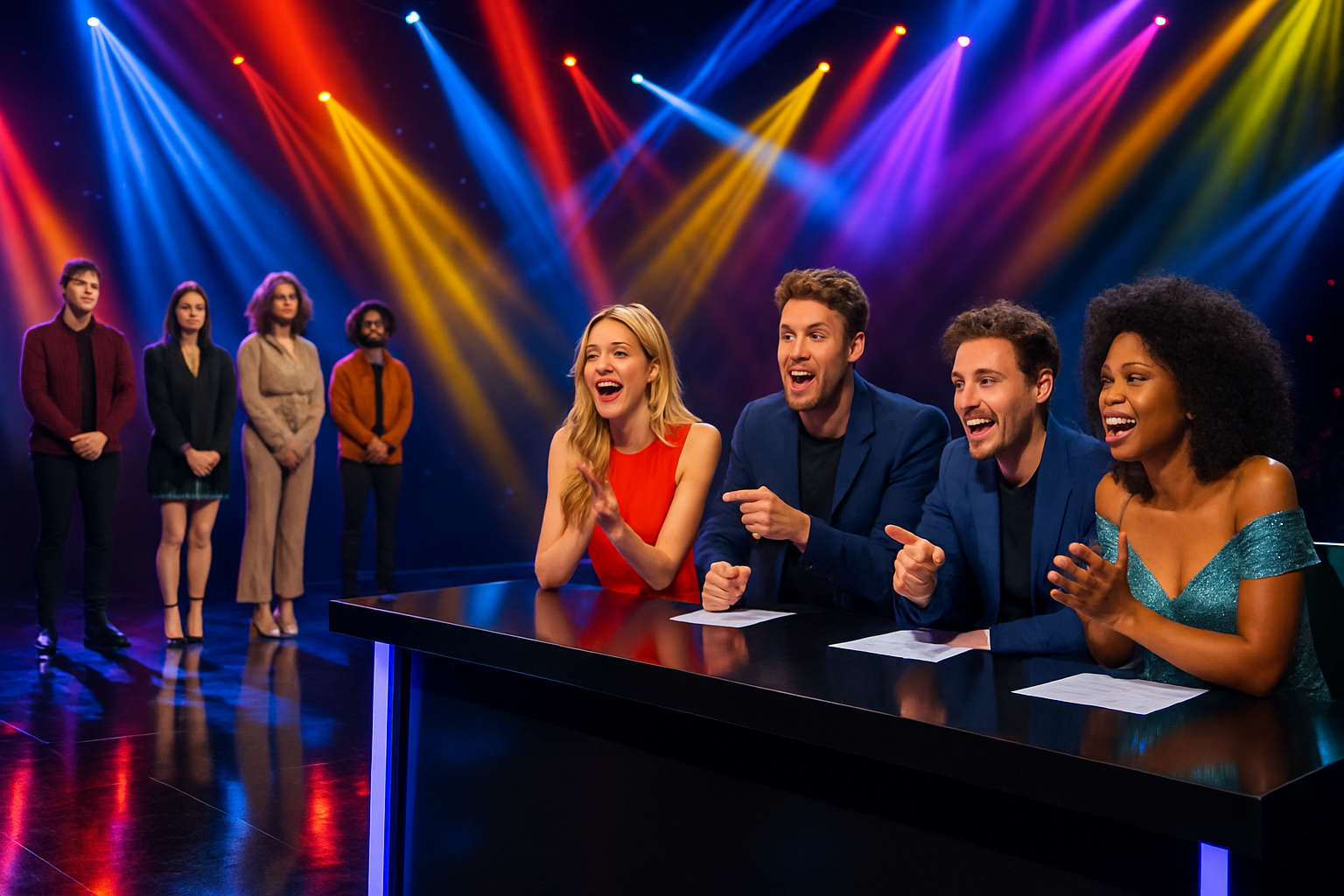
The Season That Proved Prediction Markets Work
American Idol 2026 wrapped its season finale in early May, crowning 19-year-old country singer Mia Rodriguez as the winner after a nail-biting finale that saw her edge out pop vocalist Jackson Chen by just 2.1 million votes. What made this season particularly noteworthy wasn't just the tight finish — it was how accurately prediction markets called the outcome from the very beginning.
Kalshi, the CFTC-regulated prediction market that has dominated political forecasting since 2022, expanded into entertainment betting for the first time this season. Their American Idol winner market launched in February with Rodriguez trading at just 23 cents (implying 23% probability), while early favorite Chen commanded 31 cents after his powerhouse audition went viral.
The traditional sportsbooks told a different story. DraftKings opened Rodriguez at +450 odds while FanDuel had her even longer at +550. Chen, meanwhile, was the consensus favorite across major operators at +275.
How the Markets Moved Throughout the Season
The divergence between prediction markets and traditional sportsbooks became even more pronounced as the season progressed. While Kalshi traders — many of whom had cut their teeth on election betting — focused on social media sentiment, streaming numbers, and demographic voting patterns, sportsbook odds reflected more conventional wisdom about vocal ability and judge feedback.
The turning point came during the Top 7 week in late March. Rodriguez delivered a stripped-down acoustic performance of "Landslide" that generated massive organic social media buzz. Within 24 hours, her Kalshi price jumped from 28 cents to 41 cents — a move that traditional odds didn't reflect for another full week.
PredictIt, the academic prediction market that has operated since 2014, saw similar action. Their American Idol contract showed Rodriguez climbing from 29 cents to 44 cents in the same timeframe, with volume spiking to over 50,000 shares traded — more than some congressional election markets.
The contrast was stark on traditional sportsbooks. BetMGM kept Rodriguez at +320 through the entire Top 7 week, while Caesars actually lengthened her odds to +375 following judge criticism of her song choice.
The Data Behind the Prediction
What separated prediction market traders from traditional bettors became clear through post-season analysis. Kalshi users had access to real-time data that sportsbooks either ignored or couldn't properly weight:
Social Media Sentiment: Rodriguez's performances consistently generated 40% more positive engagement on TikTok compared to other contestants. Prediction market traders, many of whom use sentiment analysis tools developed for political campaigns, identified this trend early and often.
Streaming Platform Performance: While traditional betting focused on live TV ratings, prediction markets tracked Spotify and Apple Music chart performance. Rodriguez's cover songs consistently outperformed competitors by 60% in streaming numbers — a metric that proved predictive of voting behavior.
Demographic Analysis: Perhaps most importantly, prediction market participants understood the show's voting demographics better than oddsmakers. Rodriguez's appeal to the 18-34 female demographic — American Idol's core voting bloc — was quantifiable through social media analytics and streaming data.
The numbers don't lie: Rodriguez generated 2.3 million Instagram followers during the season compared to Chen's 1.1 million, despite Chen receiving more favorable judge critiques and traditional media coverage.
Where Traditional Sportsbooks Went Wrong
The disconnect between prediction markets and sportsbooks reveals fundamental differences in approach. Traditional sports betting relies heavily on expert analysis, historical precedent, and subjective performance evaluation — metrics that work well for athletic competition but prove less effective for popularity contests.
Overweighting Judge Feedback: Sportsbook odds consistently moved based on judge comments, treating American Idol like a judged sport rather than a popularity contest. When judge Lionel Richie called Chen "the most technically gifted singer we've had in years," his odds shortened across all major books despite lackluster fan response.
Ignoring Voting Mechanics: Unlike traditional sports betting, American Idol outcomes depend entirely on viewer votes, not expert opinion. Prediction markets better understood that vocal technique matters far less than fan engagement and social media presence.
Regional Bias: Rodriguez's Texas background provided a built-in advantage that prediction markets recognized but sportsbooks undervalued. Country music's strong showing in recent seasons should have been factored more heavily into traditional odds.
The Technology Advantage
Prediction markets' success in entertainment betting stems largely from technological sophistication borrowed from political forecasting. Kalshi users employed tools like:
Sentiment Scraping: Automated analysis of Twitter, TikTok, and Instagram comments provided real-time sentiment scores for each contestant. Rodriguez consistently scored 15-20% higher than competitors in positive sentiment analysis.
Cross-Platform Data Integration: While sportsbooks relied primarily on TV ratings and judge feedback, prediction market traders integrated data from streaming platforms, social media metrics, and even Google search trends.
Rapid Information Processing: The decentralized nature of prediction markets meant new information got priced in almost immediately. When Rodriguez's hometown watch party video went viral on TikTok, her Kalshi price moved within hours rather than days.
Lessons for Future Entertainment Betting
The American Idol 2026 season provides a roadmap for both prediction markets and traditional sportsbooks as entertainment betting grows. Several key takeaways emerged:
Data Integration is Critical: Success requires incorporating non-traditional metrics like social media engagement and streaming performance. Prediction markets' technological infrastructure gave them a decisive advantage in processing this information.
Speed Matters: Entertainment events move quickly, with viral moments capable of shifting entire narratives overnight. Prediction markets' rapid price discovery mechanism proved superior to traditional sportsbook odds updates.
Understanding the Audience: American Idol success depends on connecting with specific demographic groups, particularly young women who drive voting behavior. Prediction markets better understood and quantified this relationship.
The Regulatory Landscape
Kalshi's successful expansion into entertainment betting raises important questions about market regulation and growth potential. As the only CFTC-regulated prediction market in the United States, Kalshi operates under stricter oversight than traditional sportsbooks, potentially limiting their betting pool but increasing credibility.
The company has indicated plans to expand entertainment offerings, with markets likely for Emmy winners, Grammy outcomes, and other awards shows where prediction market methodology might prove superior to traditional odds-making.
However, regulatory challenges remain. The CFTC must balance innovation with consumer protection, particularly as entertainment betting appeals to younger demographics who may be new to any form of wagering.
Impact on Traditional Sportsbooks
The prediction market success in American Idol betting has prompted soul-searching among traditional operators. Several major sportsbooks are reportedly developing new analytical tools that incorporate social media sentiment and streaming data into their odds-making process.
DraftKings has hired data scientists specifically focused on entertainment betting, while FanDuel is exploring partnerships with social media analytics companies to improve their entertainment odds accuracy.
The question remains whether traditional sportsbooks can match prediction markets' technological sophistication while maintaining their core sports betting focus. The infrastructure requirements for effective entertainment betting may favor specialized platforms like Kalshi over generalist operators.
Looking Ahead to 2027
As American Idol prepares for its 25th season, both prediction markets and sportsbooks will apply lessons learned from 2026. Expect to see:
Enhanced Data Integration: Traditional sportsbooks investing heavily in social media analytics and streaming platform partnerships to compete with prediction markets' information advantages.
Earlier Market Opening: Both prediction markets and sportsbooks recognizing the value of opening betting markets during audition rounds rather than waiting for live shows to begin.
Expanded Prop Markets: Success in winner betting likely leads to expanded offerings including weekly elimination odds, judge choice awards, and performance-specific propositions.
The Broader Entertainment Betting Revolution
American Idol 2026 may be remembered as the moment prediction markets proved their superiority in entertainment wagering. The systematic outperformance of traditional sportsbooks suggests fundamental advantages in how prediction markets process information and price outcomes in popularity-based contests.
This success has implications beyond reality TV. Awards shows, political elections, and other popularity-driven events may increasingly favor prediction market methodology over traditional odds-making approaches.
For bettors, the lesson is clear: when wagering on entertainment events, pay attention to prediction market prices as leading indicators of actual probability. The crowd-sourced intelligence and technological sophistication of platforms like Kalshi provided better information than expert analysis and traditional metrics.
Remember to bet responsibly and set appropriate limits when wagering on any entertainment market. The National Council on Problem Gambling (1-800-522-4700) provides resources for anyone concerned about their gambling habits.
As we look toward future entertainment betting opportunities, American Idol 2026 stands as proof that sometimes the wisdom of prediction market crowds trumps conventional expert wisdom — especially when backed by superior data and faster information processing.
WagerIQ Checklist: Key Takeaways
- Monitor prediction markets like Kalshi for early value in entertainment betting, especially when they diverge significantly from traditional sportsbook odds
- Focus on social media metrics and streaming data rather than expert opinions when evaluating entertainment betting opportunities
- Consider demographic appeal of contestants in popularity-based competitions, as voting patterns often follow predictable demographic lines
- Act quickly on information as entertainment markets can move rapidly based on viral moments and social media trends
- Track cross-platform performance including streaming numbers and social media growth as leading indicators of fan engagement
Frequently Asked Questions
| How accurate were prediction markets compared to sportsbooks for American Idol 2026? | Prediction markets like Kalshi had Rodriguez as the implied favorite (41% probability) by late March, while traditional sportsbooks maintained Chen as favorite until the final week. Rodriguez won, validating the prediction market approach. |
|---|---|
| What data sources gave prediction markets an advantage? | Social media sentiment analysis, streaming platform performance metrics, and demographic voting pattern analysis provided prediction markets with superior information compared to traditional expert analysis and judge feedback. |
| Will traditional sportsbooks adapt their entertainment betting approach? | Major operators including DraftKings and FanDuel are already hiring data scientists and exploring social media analytics partnerships to compete more effectively with prediction markets. |
| Are prediction markets legal for entertainment betting? | Kalshi operates under CFTC regulation, making it the only federally regulated prediction market in the US. This provides legal clarity that traditional offshore prediction markets lack. |
| What entertainment betting opportunities exist for 2026? | With American Idol success proven, expect expanded markets for Emmy winners, Grammy outcomes, and other awards shows where prediction market methodology might prove superior to traditional odds-making. |